Divorce may end a marriage, but it does not end the shared responsibility of raising a child. One of the most important adjustments parents face is learning how to navigate parental legalities while building a workable co-parenting relationship. The legal framework provides structure, but day-to-day success depends on communication, consistency, and mutual respect. In Florida, courts focus on parental responsibility rather than traditional custody labels. Most cases result in shared parental responsibility, meaning both parents retain the right and obligation to make major decisions regarding education, healthcare, and general welfare. Understanding these parental legalities is essential. Even when children primarily live with one parent, major life decisions typically must be discussed and agreed upon unless a court orders otherwise.
A clear parenting plan forms the backbone of post-divorce stability. This document outlines time-sharing schedules, holiday arrangements, transportation details, and methods for resolving disputes. While it may feel formal, a well-drafted plan reduces confusion and prevents repeated disagreements. Parents should review their plan carefully and keep a copy accessible to avoid misunderstandings. Beyond the legal structure, practical co-parenting habits make a measurable difference. Keep communication focused on the child. Use written tools such as shared calendars or parenting apps to track school events, medical appointments, and extracurricular activities. Maintain consistent rules in both households when possible, especially for younger children who rely on predictability.
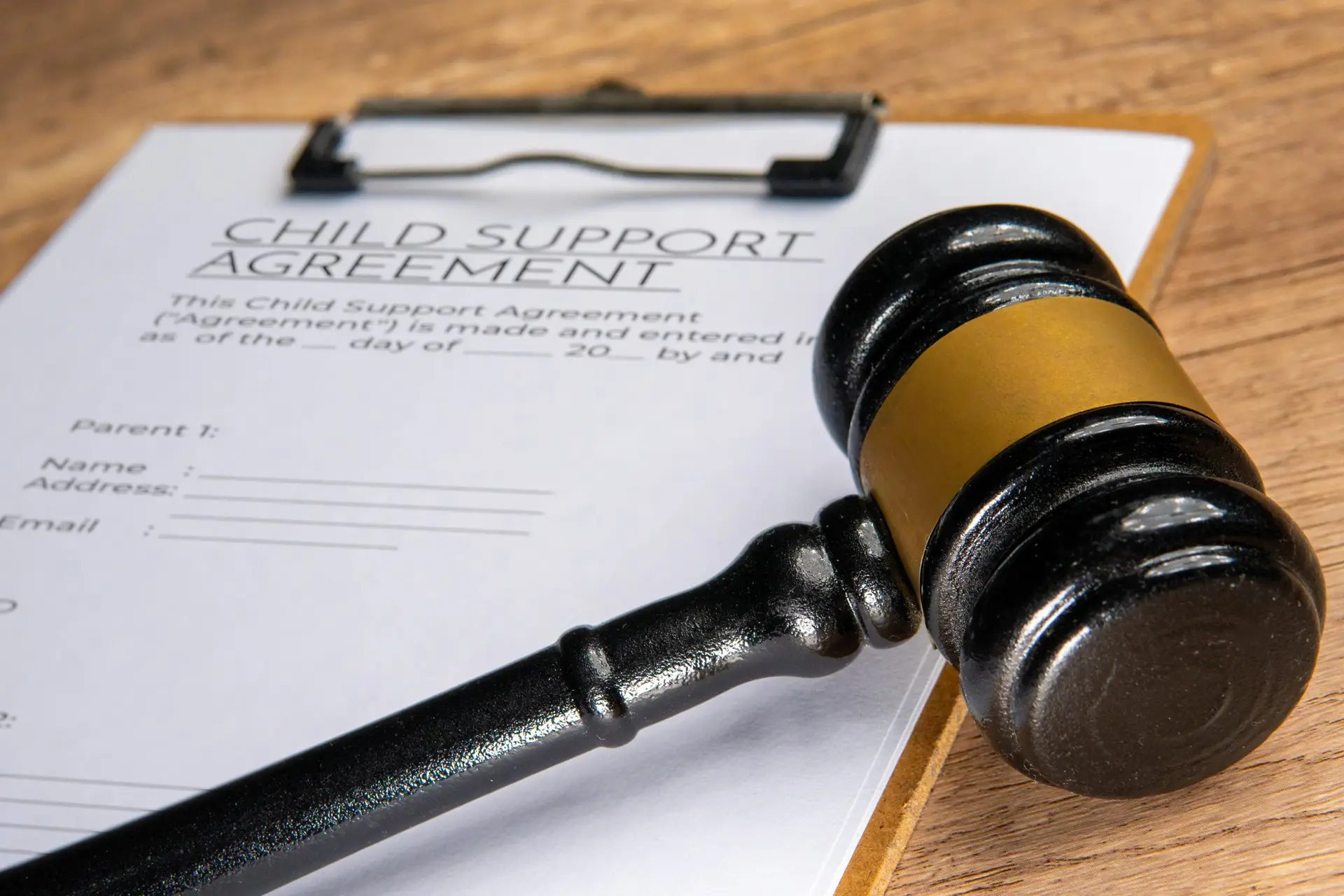
Financial responsibilities are another key part of parental legalities. Child support obligations are determined using state guidelines that consider income, time-sharing, and specific expenses. Paying support on time and keeping records of shared costs helps avoid future legal issues. If circumstances change significantly, such as a job loss or relocation, it is important to seek legal advice rather than making informal adjustments.
Balancing legal duties and parenting is not always simple, but it becomes more manageable with accurate information and steady guidance. If you have questions about parental legalities or need clarity about your rights and obligations, consider speaking with a qualified family law attorney. The Law Office of Holly Mantle, Esq. offers thoughtful guidance for parents working to create stability and structure after divorce.
Reach out to learn more about your options and how to move forward responsibly.